

Knee pain is one of the most common health concerns people face as they age, often turning simple movements like walking or climbing stairs into a struggle. It can arise from the gradual wearing down of joint cartilage, high uric acid levels leading to gout, ligament injuries, or excess body weight placing continuous pressure on the knees. When the body experiences injury or infection, the immune system works to repair the damage. However, this healing response can also trigger inflammation and the release of free radicals, which may damage surrounding tissues and intensify knee pain.

Certain foods can aggravate the condition as well. Sugary sweets, fizzy drinks, refined flour products, red meat high in saturated fats, processed junk food, crisps and other packaged snacks, cooking oils rich in omega-6 fatty acids, and habits such as alcohol consumption can increase joint pain and raise the risk of gout. Doctors advise that avoiding specific foods can help prevent knee pain or ease existing discomfort. Here’s what to watch out for:
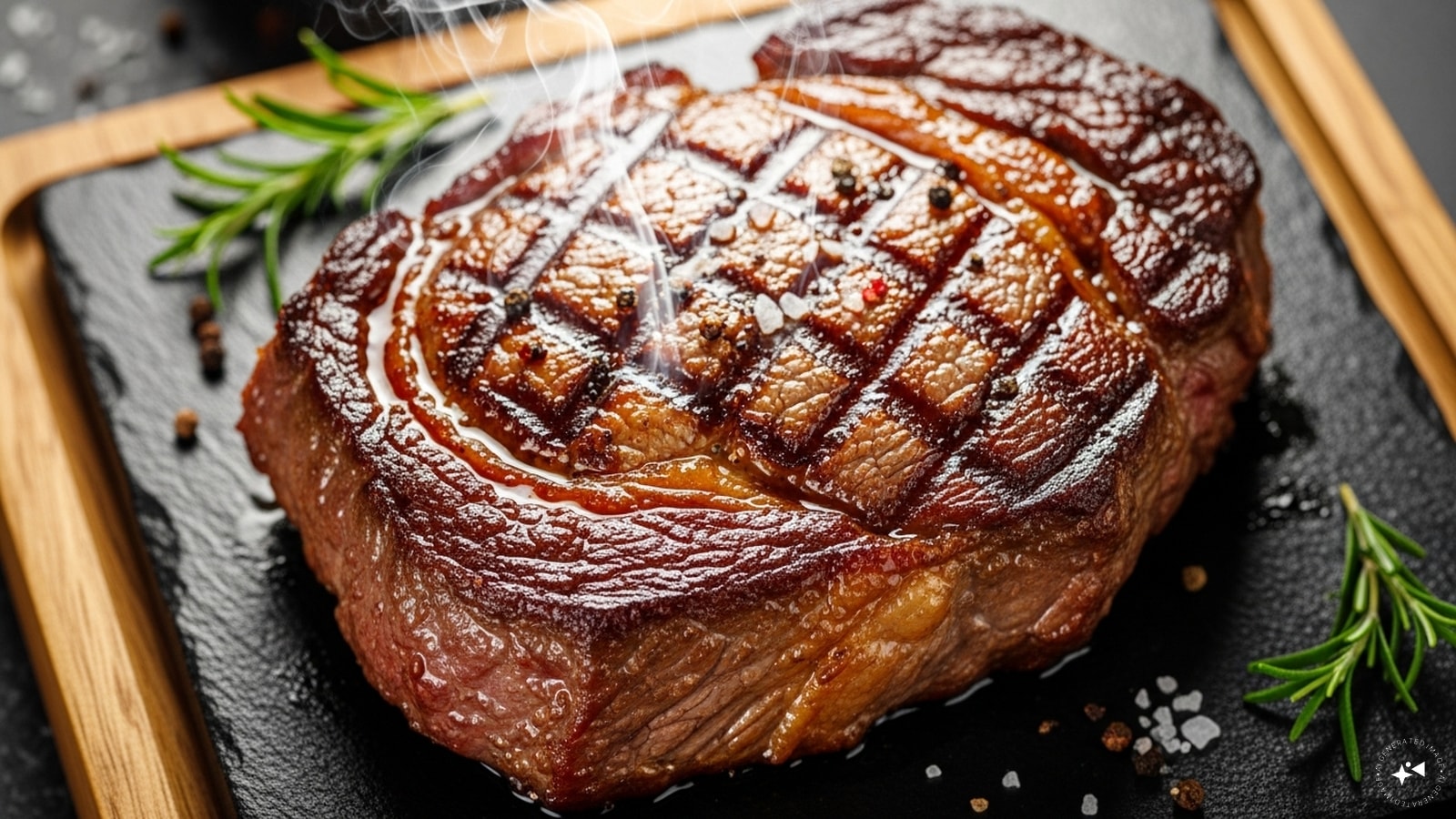
Red Meat: Frequent consumption of red meat is linked to a higher risk of joint pain. It contains inflammatory compounds and may include trans fats or hydrogenated oils, which can worsen knee discomfort. Red meat is also rich in purines, which break down into uric acid in the body. Excess uric acid can accumulate in the joints, causing swelling and pain. Reducing non-vegetarian food and increasing plant-based options may help relieve symptoms.

Sugary Foods: Sugar in tea, coffee, sweets, fizzy drinks and packaged fruit juices, along with artificial sweeteners, can negatively affect health. High sugar intake raises blood glucose levels and stimulates the immune system to release inflammatory substances, which can damage tissues and joints. Fast food, processed snacks and baked goods made with refined flour often contain high amounts of sugar, trans fats, saturated fats and preservatives, all of which may increase the risk of knee pain.

Alcohol: Alcohol can interfere with medications used to treat knee pain and may worsen arthritis symptoms. It increases the likelihood and severity of joint swelling and gout. Healthy synovial fluid, the cushioning fluid between joints, depends on proper hydration. Alcohol dehydrates the body, reducing joint lubrication and potentially increasing pain.
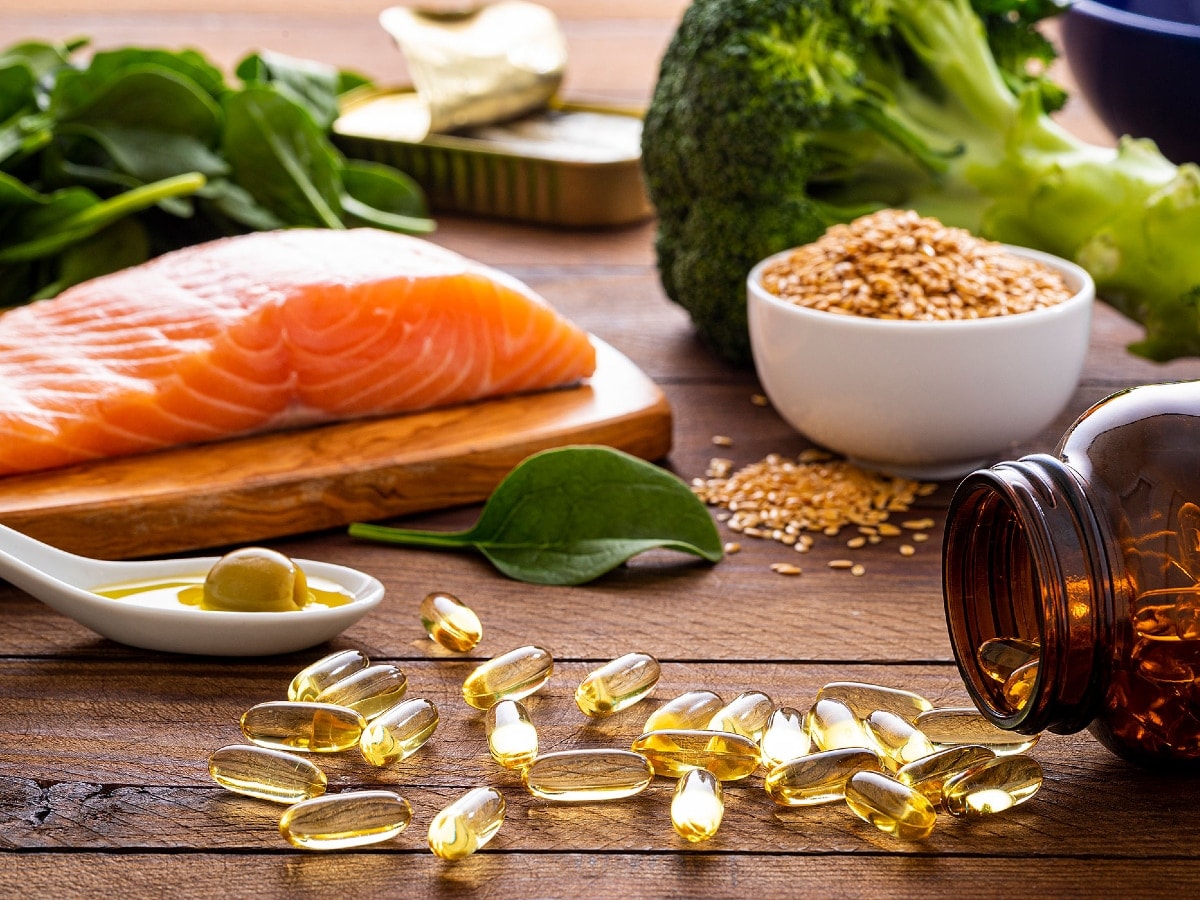
Omega-6 Fatty Acids: Although the body requires omega-6 fatty acids, excessive intake can contribute to inflammation. These fats stimulate the production of chemicals that promote inflammatory responses. They are commonly found in peanut oil, vegetable oil, sunflower oil and corn oil. High consumption can increase levels of arachidonic acid, which leads to the production of prostaglandins, compounds associated with joint swelling and pain. Over time, this may contribute to arthritis and chronic discomfort.
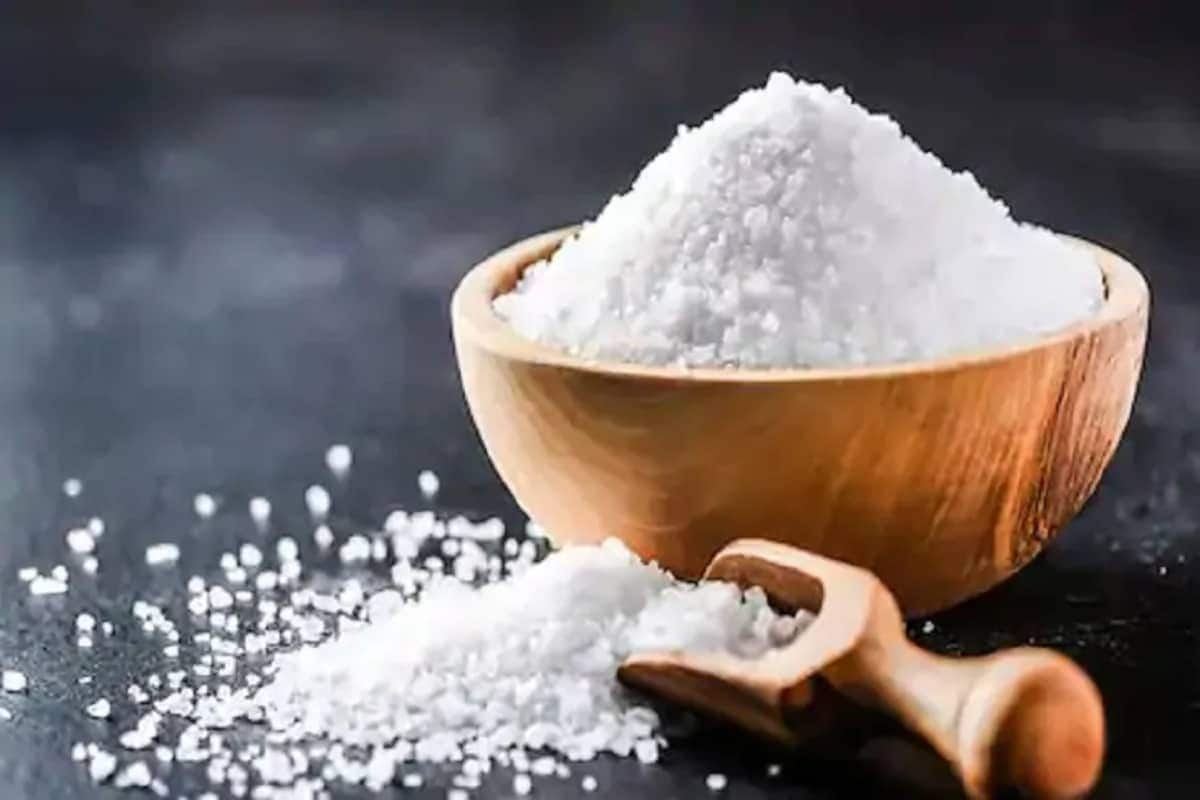
Salt: Excess salt causes the body to retain water, which may increase swelling and joint pain. Monosodium glutamate (MSG) can have a similar effect, potentially worsening long-term inflammation. High levels of sodium and MSG are often present in canned soups, pizzas, certain cheeses, fast food and other processed or packaged items. Limiting these foods may help reduce knee pain and inflammation.

