

Last Updated:
Is that pre-sleep glass of water a metabolic boost or a recipe for ruined rest?




Should You Drink Water Before Sleeping At Night?
The glass of water on your nightstand is one of sleep’s most common dilemmas. On one hand, your body needs hydration to perform vital repair work while you drift off; on the other, a full bladder is a guaranteed ticket to a midnight bathroom trip. As we navigate 2026, sleep science has become clearer on this “fluid” situation: timing is everything.
The Benefits: Why Your Body Craves Water At Night
Staying hydrated isn’t just about quenching thirst; it’s about maintaining the body’s internal machinery. While you sleep, your body continues to lose water through breathing and perspiration.
Temperature Regulation: Drinking water helps your body achieve the drop in core temperature necessary to induce sleepiness.
Detoxification: Hydration supports the kidneys in filtering waste and allows for smoother blood circulation, ensuring organs are well-oxygenated during their recovery phase.
Mood and REM Sleep: A study published in PMC (2025) found that small amounts of water intake before bed can actually decrease depressive moods in the morning. Interestingly, the research noted that water intake modified REM sleep latency, potentially leading to a more stable emotional state upon waking.

The Drawback: The Nocturia Trap
The primary argument against bedtime drinking is nocturia, the medical term for waking up one or more times a night to urinate.
“The more you drink, the more you will tend to urinate,” explains Dr. Tsambarlis of Northwestern Medicine. “Drinking excessive amounts of fluid late into the evening can lead to multiple nighttime awakenings to void.” This is more than a mere inconvenience; fragmented sleep prevents you from reaching deep, restorative sleep stages, leading to daytime fatigue and irritability.
What The Research Says
Recent data from ResearchGate (2026) highlights a “dose-response” relationship between evening fluids and sleep quality:
- High Hydration (>500 ml): Within two hours of bed, this was independently associated with a significant reduction in sleep efficiency and next-day alertness.
- The 100% Rule: In one study, 100% of participants who drank over 500 ml before bed experienced nocturia, compared to only 44% in the low-hydration group.
- The “Sweet Spot”: The moderate group (250–500 ml) showed no significant sleep impairment, suggesting a small glass is perfectly safe for most healthy adults.
The Expert Consensus: How to Time Your Hydration
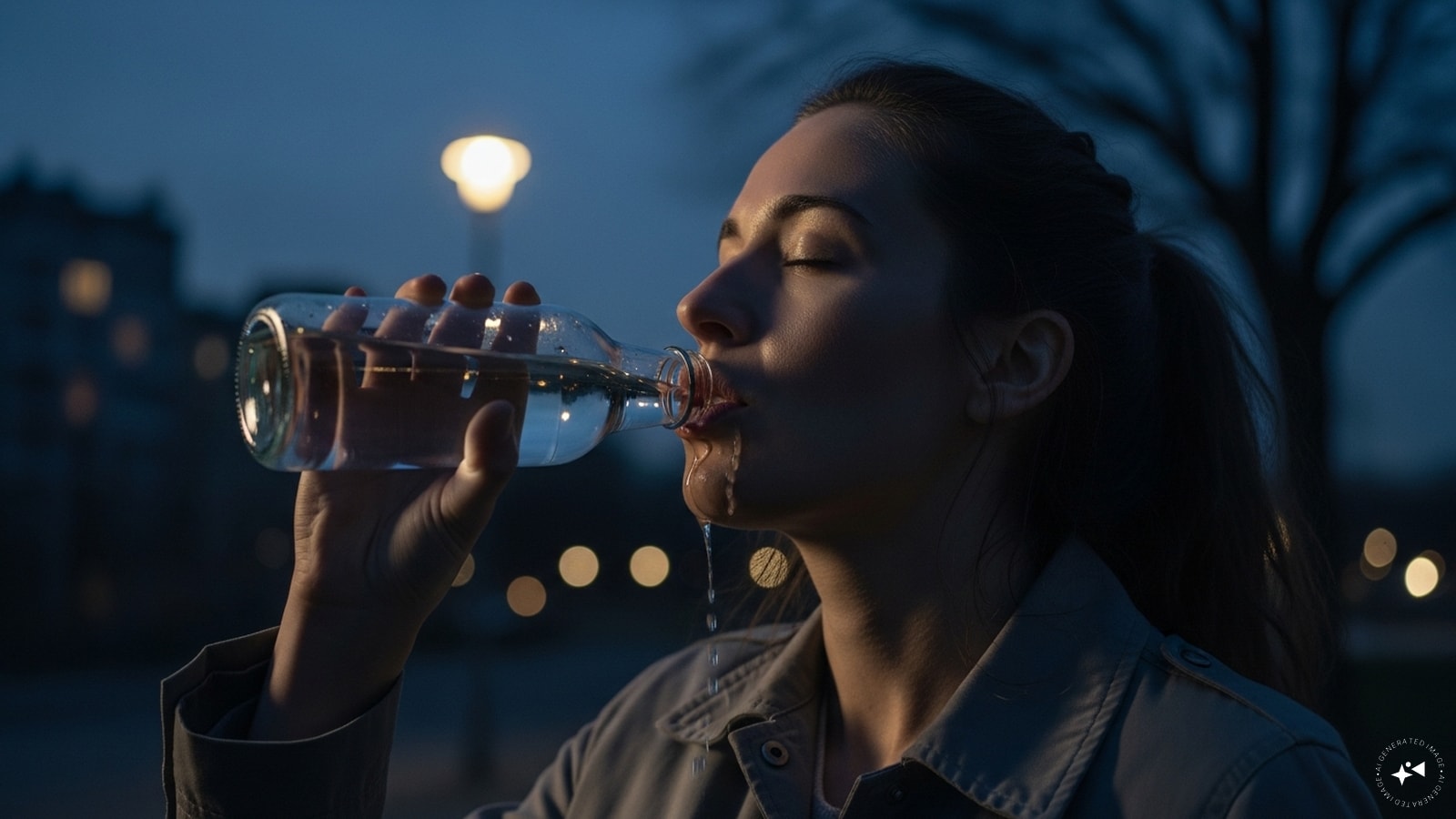
Medical professionals generally advocate for a “tapering” approach. Instead of chugging water before bed to make up for a dry day, focus on “front-loading” your fluids.
“Ideally, you should have your last drink between 1 and 2 hours before going to bed,” suggests health experts at Hydratation. “This gives your body time to process the liquid and eliminate excess before you hit the pillow.”
Should you drink water before bed? Yes, but with moderation and strategy. If you are prone to dry mouth or leg cramps, a few sips are beneficial. However, if you are over 60, have a sensitive bladder, or struggle with insomnia, it is best to stop drinking 120 minutes before your head hits the pillow.
February 14, 2026, 15:08 IST

