
Last Updated:
Misunderstood as disengaged, Gen-Z is sensitive and searching for stability, turning to meditation and spirituality for wellbeing, says Yoga-meditation teacher Radhika Iyer Talati




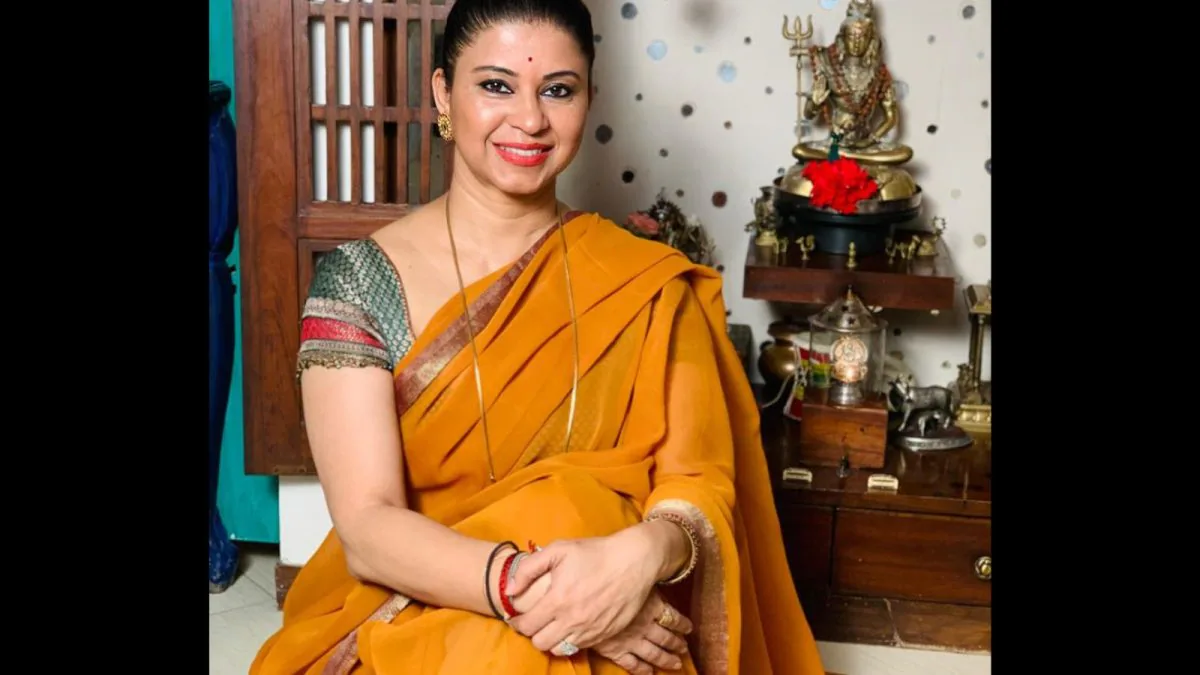
Vadodara-based Yoga and meditation teacher Radhika Iyer Talati is the Founder of Raa Foundation. (News18)

A recent study claimed that Gen-Z is ‘less intelligent’ than earlier generations after they scored lower on certain IQ tests—a finding that was widely quoted.
Yet, many who interact closely with this generation strongly disagree. What is labelled as lazy or whimsical behaviour may instead be discernment, and a refusal to conform blindly. When convinced, Gen-Z shows the grit to pursue what it believes in and see it through.
This generation straddles technology, AI, mobile-dependency and expectations of the previous generation, while making space for self-care and therapy—areas they value.
Vadodara-based Yoga and meditation teacher Radhika Iyer Talati, who is the Founder of Raa Foundation, shares her perspective on whether Gen-Z is inherently different, what they seek long-term, and why many are turning to meditation. Nearly 40 per cent of the 100-plus students who attend her sessions belong to Gen-Z.
Her observations are drawn from years of direct engagement and conversation. Here are edited excerpts from the interview.
Gen-Z And The Pressure To Be Perfect
Yes, it’s there because of simulation and social media. There’s a standardised way of living imposed by platforms, peer pressure and constant information.
Gen-Z is sandwiched between predecessors who lived more casually and successors who are growing up highly precise and intelligent, sometimes in unnecessary ways. They have grown up with technology while parallelly absorbing older systems and values. Understanding hard work, but also the appeal of smart work.
This tension has pushed them to find a space where they can feel perfect—by their own standards. While this generation appears to lack the incentive to get up and work, they are always ready to do what will help them appear competent and capable.
Able To Articulate Overwhelm Early
My Sunday meditation sessions have brought me close enough to resonate with them. They are intelligent, capable of in-depth analysis, and have situational understanding. You cannot be shallow with them.
We even have young children from the 6th, 8th, 10th grades attending these sessions. They simply needed a platform, interaction that allowed their creative juices to flow, and someone willing to speak their language. Over the past three to four years, I can see a significant change.
The stress and overwhelm they express is what they are going through in real time. Meditation reduces this intensity and allows them to relate to their identity in a broader, more stable way. Gradually, their overwhelm around their bodies, minds, clothing, food choices, the company they keep, begins to subside.
During Bhagwad Gita, chanting, or meditation sessions, many of them become happy and more settled. They are able to express emotions more concisely—in very creative, nuanced ways. They are open to experimenting with different tools to manage emotional overload, to change, to move on an upward trajectory. Most importantly, to calm their minds.
Searching For Belonging, Stability And Human Connection
Many of them have an abundance of things and yet struggle with happiness. They come from nuclear families where parents are busy. Grandparents, who once offered stories while feeding them are absent, as are routines and rituals that were followed generationally in this country.
The narrative outside today is filled with talk about dharma, spirituality and suddenly you find there’s very little of this you’ve practised in your home. This gap explains why community-driven activities are on the rise. The search is for identity, basic routine, and human interaction on a day-to-day basis—which, I believe, is a defining trait for this generation.
From Overwhelm To Spiritual Seeking
Young people often come to us at a breaking point, after trying everything else. At Raa Foundation, we conduct Bhagavad Gita and meditation sessions, and people of all ages come and have taken Saranagati—surrender to a higher wisdom.
They chant mantras, learn ancient texts, and develop genuine curiosity. Each person’s thought process is subjective, so their practice is customised. Their receptivity to meditation and the depth of their questions is striking. What they need now is more people to guide them and have faith in their capacity.
Meditation For Daily Maintenance Or Crisis Management?
I see them daily in an emotional crisis. The smallest things impact them. They can swirl and withdraw, and the next moment, swirl and just fly. They are highly sensitive to what’s happening in the world and to words being spoken to them. The older generation perhaps needs to rectify that—we have not fully understood the transitions these children have gone through. There is so much happening every single day, constant updates everywhere, concerns about mental health are natural.
For earlier generations, therapy came through family—elders, cousins, friends, community. Today, with everything available for money, those connections, shared experiences, stories are all gone. As a mother and a teacher, I have seen this gap. The absence of routine, discipline, human interaction, combined with the sheer volume of what they absorb, leaves them confused.
It’s a good thing they are turning to therapy, but too much dependence on counselling or validation can be limiting. A middle path can be taken — where every person sits in silence each day. Also, understand that good thoughts need to be translated into meaningful action.
Meditation As Grounding – Not Transaction, Not Performance
Meditation is to teach us to stop performing constantly—to take it slow and remain still. The entire world right now needs to stop thinking, stop acting, and just be. Being and just observing—our habits, our thoughts. That cognition is essential.
In our hyper-visible social culture, with endless simulation – you look around and you suddenly feel everyone is doing the best, except you. In this scenario, meditation must serve as a grounding experience. Teachers need to teach this groundedness, and there are very few who truly do.
Everyone thinks sitting silent for five minutes will help them perform better for the next two hours. That has to change. Meditation is not a transaction. You are meditating because you need to live one hundred percent connected to the present moment — that is its true purpose.
What Is Gen-Z Seeking Long-Term?
All of us, as human beings, seek love, acceptance and community. Our most basic needs are respect and to be heard.
Gen-Z’s search for meaning must be seen in the context of rapid changes that began before they were born. The older generation got carried away by technological advancements in the 1990s, alongside a lot of money coming into the economy—something we had not experienced in the 70s and 80s. The economy opened, public policies changed. To support all that, you needed faster communication, worldwide web. And now AI intensifies that pace.
Gen-Z, born 1998 onwards, has grown up amid rapid changes in education, schooling, communication—without the earlier generation fully adapting to it. Yet they have to lead the way for future generations while navigating instability in day-to-day life. That pressure has pushed many towards introspection.
They have chosen the right path—meditation, self-awareness, spirituality. This path, however, works only if they are able to look beyond its commercialisation, and use it to anchor themselves—to find the deeper meaning of self-awareness and growth, and to view accomplishment as contributing to society.
They are future leaders. Their efforts can help reestablish society, protect Nature, protect animals, and create sound policies to support politicians, bureaucrats and leaders. That will bring the world together.
It is this generation that can do it. They only need patient guidance from us, who are willing to understand things from their perspective and pass on values handed down by our earlier generations. That will help them to take the country and its culture forward, even globally.
The role of adults should be that of facilitator, guide, quiet observer—and leader when the situation demands. Gen-Z is very committed, so, we need to be a good Raja. As they say, ‘Yatha Raja, Tatha Praja’ (As the king, so the subjects).
The author is a journalist, cancer survivor and certified yoga teacher. She can be reached at swatikamal@gmail.com.
February 14, 2026, 11:04 IST

