Want to bookmark your favourite articles and stories to read or reference later? Start your Independent Membership today.
Already a member?
Log in
I’ve just been driving the fastest production SUV in the world. Or, at least, that’s according to its manufacturer, Lamborghini, who make this claim for their new Urus “SE”, a plug-in hybrid, a first for the brand.
It’s superb; and, if it’s possible, great value for the quarter of a million pounds it’d cost to acquire. Thanks in part to that hybrid electric boost, which leaves some 800 bhp at your disposal, and usefully supplements the 4-litre twin-turbo V8 petrol engine – an extremely powerful alliance of old and new technologies. Thus, the Urus SE will reach a top speed of 194 mph and sprint to 60mph in about the time it takes you to read these very words (3.4 seconds, to be precise).
Lamborghini certainly see their newest Urus (and there’s no longer a pure petrol version) as class-competitive, and it will certainly keep up with anything else on the road, including the Rolls-Royce Cullinan, Ferrari Purosangue (which both have the added attraction of a V12 power plant), the Audi RS Q8, Porsche Cayenne Turbo GT and the Bentley Bentayga (which share some VW Group tech with the Urus, though the Italian brand is fiercely protective of its engineering pedigree, and rightly so).
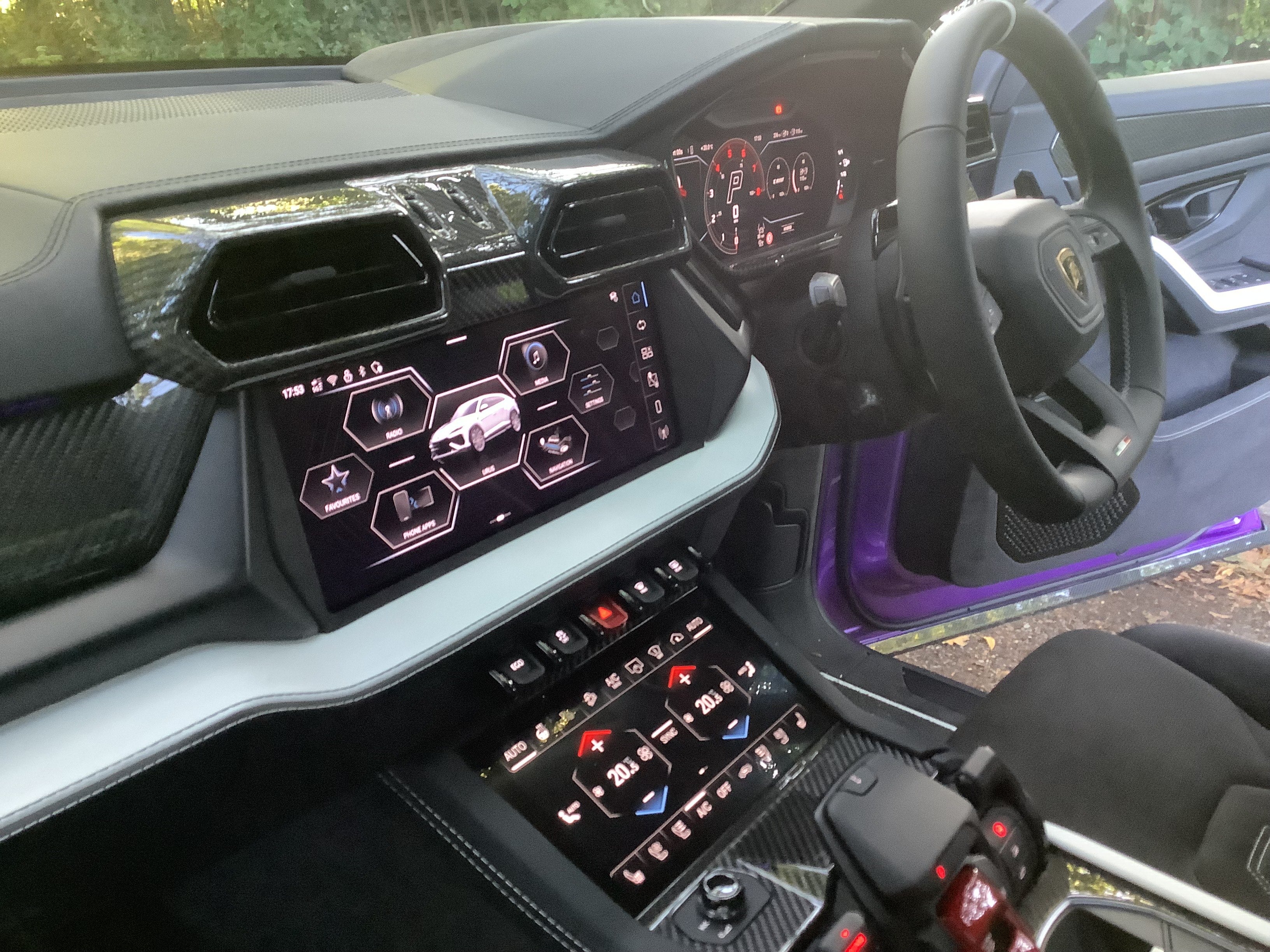
In a race, they’d all be pretty closely bunched, and I think that tells us that they’re collectively testing the limits of the laws of physics. Even the all-electric powerhouse that is the Porsche Cayenne turbo electric isn’t much quicker. We’ve reached the limit, basically, for these big beasts.
Lamborghini promise an even faster new Performante variant next year, with more carbon fibre and thus added lightness. Something to look forward to, and, pushing well over £300,000, proof that the cost of living crisis has still to reach some. For some reason Raheem Sterling springs to mind.
THE SPEC
Lamborghini Urus SE Hybrid
Price: £250,000 (as tested, range starts at £208,000)
Engine capacity: 4-litre petrol, V8-cyl + 141kW rear motor, 8sp-auto AWD
Power output (PS): 800
Top speed (mph): 194
0 to 60 (seconds): 3.4
Fuel economy (mpg): 50 (using full electric mode)
CO2 emissions (WLTP, g/km): 51 (using full electric mode)
But who’s counting the seconds to a ton-up anyway when the Urus, despite its muscle and its still-dramatic looks (it’s actually been around since 2017, much more than its main rivals) is actually a car with a much more nuanced, multi-faceted personality.
It’s not all speed, in other words. Indeed, here we have a two-and-a-half-tonne performance Lamborghini that will also pump a mere 51 grammes of CO2 per kilometre into the atmosphere, provided it’s put into its pure-electric mode, which will last for 35 miles or so. As such, and driven in a dignified manner, it will be a near-silent luxury cruiser with all the appurtenances its lucky owner could wish for, including bespoke internal and external finishes. A limousine, but with the added advantage of easier entry and exit – especially useful when it was pressed into service by me as a wedding car for my delighted friends George and Caroline Loncar the other week; no chance of the bride being late for the service here.
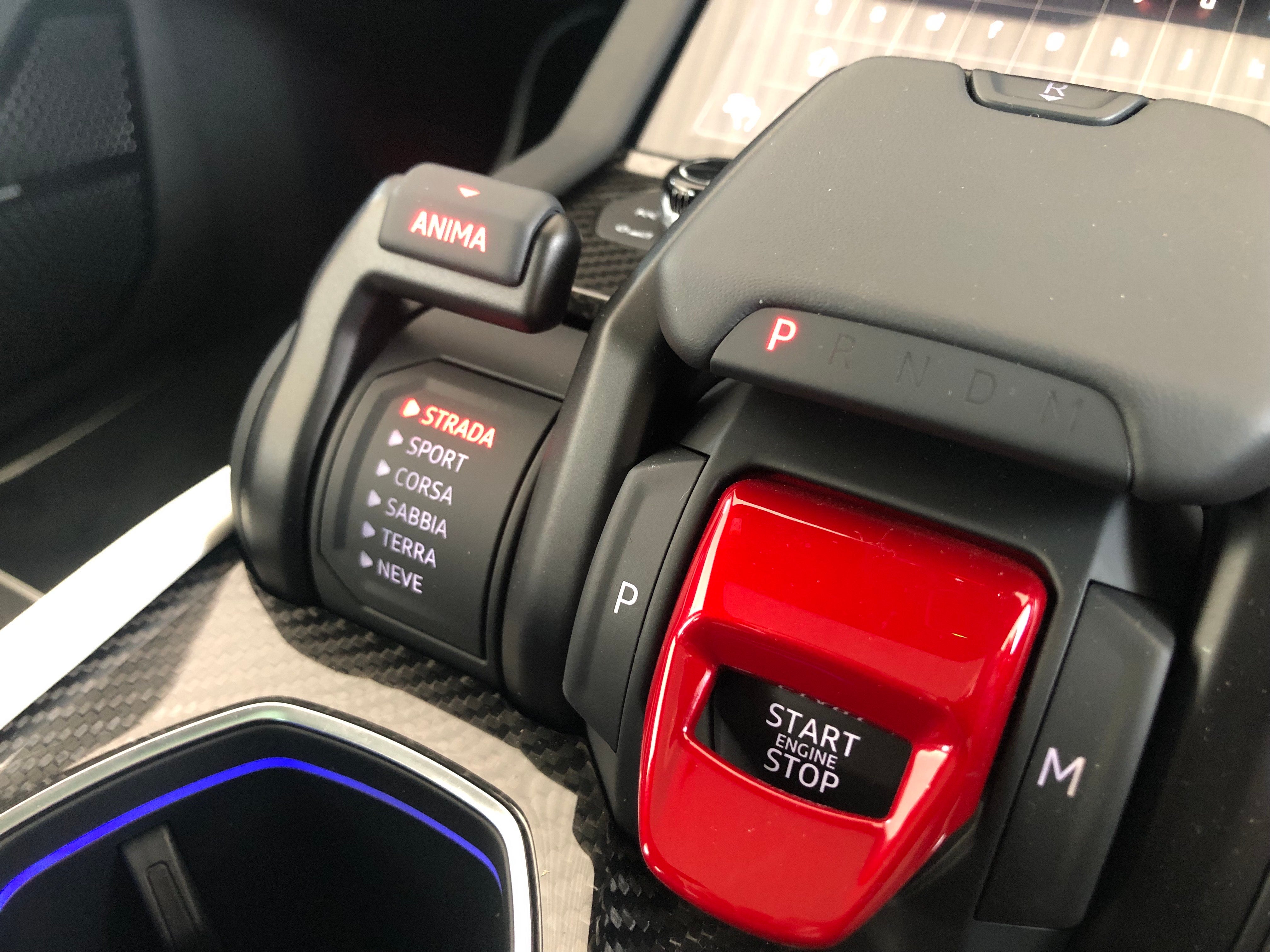
In the more default petrol-hybrid mode, the Urus SE is as docile as a Toyota Prius, though you’re always conscious of its sheer size. There are also, among the aircraft style cabin controls, switchable specific settings, or “anima”, for the road, “strada”, plus sport, “corsa” for the track, “sabbia” (so it can control all that power if on sand), “terra” (mild off-road use) and “neve” (in snow). Lots of grunt, in any case, and a great steer, in every sense.
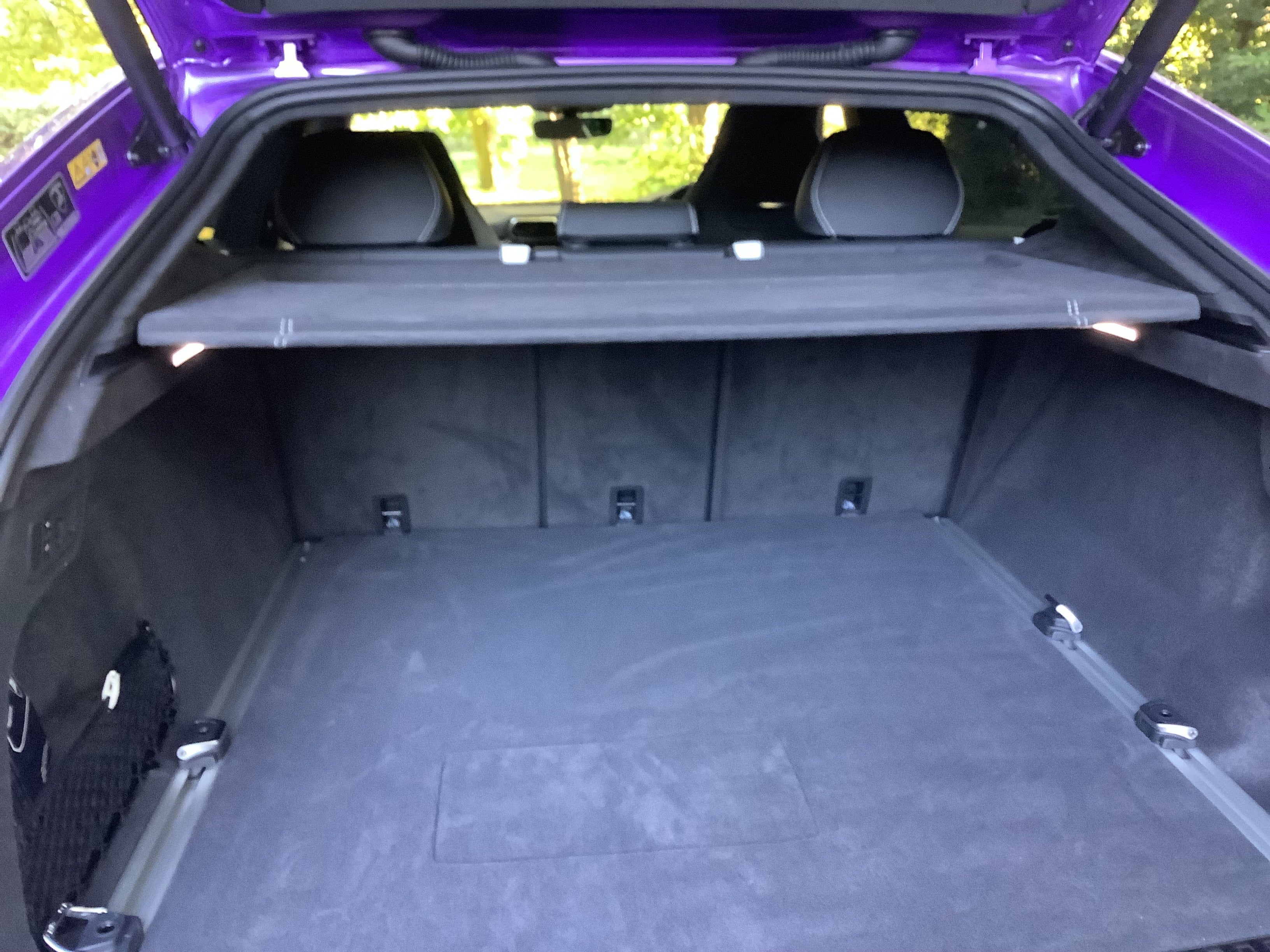
So the way the Urus SE drives depends very much on the circumstances. The Urus name is derived from the now extinct aurochs – giant bison that once inhabited Eurasia – and part of a bovine Lamborghini tradition of naming their cars after fighting bulls. As a plug-in hybrid, as I say, it’s practical and relatively green, albeit the bootspace is a little compromised with the hybrid gubbins; but it will of course transform itself if you press the boost button in the steering wheel, when the thing turns into a raging bull.
It is at such moments, pressing in and negotiating a bend, when you become conscious of its sheer bulk, but also the fine brakes and the stability controls that keep the occupants of an Urus safe as well as entertained. You soon get used to its imposing size and looks – especially the new shade of “viola”, and I never lost confidence in the Urus’s abilities.
As a pathetic overgrown schoolboy, I love the grumbly noise the Urus makes – everyone does, but especially we kids of all ages – and the symphonic V8 can be nicely tuned for bass and treble according to your taste and sense of occasion (mainly via the accelerator). It is no classical beauty, in my opinion, but its forceful, assertive lines actually make it look much less of an unhappy compromise with the brand’s traditional styling cues than, say, the more restrained Bentayga, Cullinan or the Cayenne (no longer outright ugly, but still blobby. (The Urus’ distant cousins, the Cupra crossovers and SUVs achieve the same thing.)
With the new hybrid powertrains, the Urus has had a refresh to its front and rear styling, which won’t be noticed by many, but I think they should have taken the opportunity to make the “face” more characterful, without that fashionable air of angry aggression that is such a common styling tic now. As things stand, this is a car that looks like someone forgot to fit the grille. On the other hand, perhaps that’s just another feature that makes it such an individual sort of accessory, and there are few vehicles can match themselves to their driver’s moods quite so seamlessly. Worth every penny. No bull.