




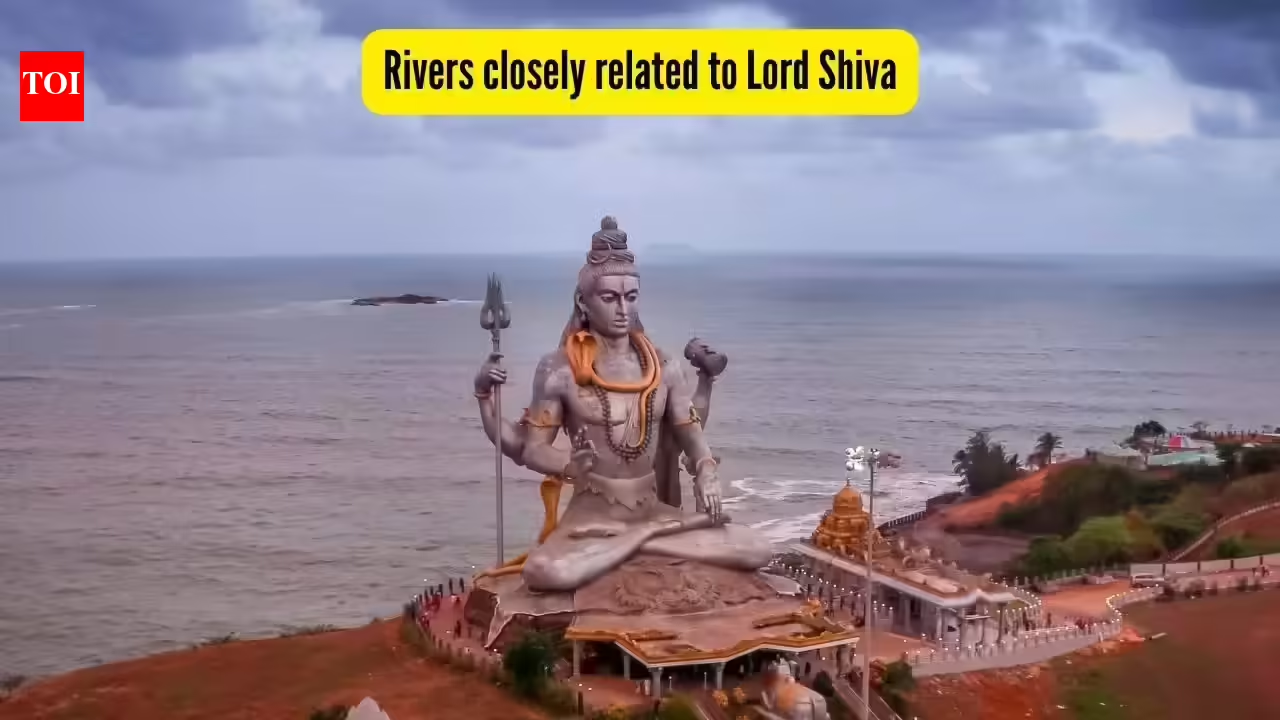
India is a country of living legends. From temples to rivers, every nook and cranny of the country narrates a tale from the past when gods used to walk on Earth. And when it comes to gods, especially Lord Shiva, there are some rivers that are not only important for humans but also carry the story of mythology and devotion related to Shiva. From Himalayan streams to ancient west-flowing waters, Shiva’s presence is felt wherever these rivers flow. Travelling along them feels like a spiritual map drawn thousands of years ago. Here are five rivers associated with Lord Shiva and where they flow.Narmada River – Shiva’s daughter
CANVA
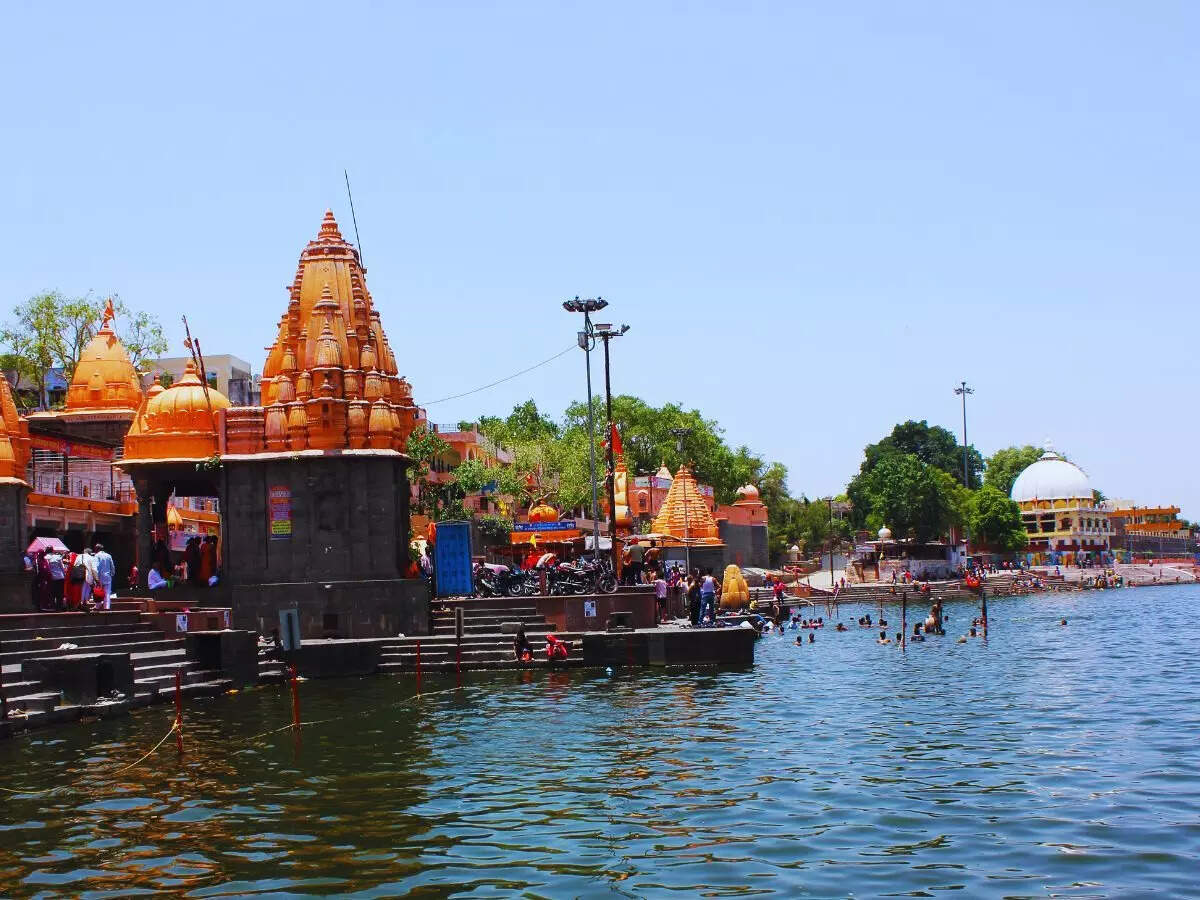
Not many must be aware of the fact that the Narmada River, as per Hindu mythology, is the daughter of Lord Shiva. Narmada holds a unique bond with Shiva and its mythological name is Shankari. Legend has it that the river emerged directly from Shiva’s body when he was in deep meditation. Unlike other rivers, every stone found in the Narmada is believed to be a natural Shiva Linga.
Where it flows:The river starts at Amarkantak in Madhya Pradesh. Surrounded by temples and natural beauty, the river flows westward and reaches Omkareshwar, which is home to one of the 12 Jyotirlingas in India. Here, the river forms the sacred shape of ‘Om’. The river flows across Madhya Pradesh and Gujarat before merging with the Arabian Sea near Bharuch.Ganga River – Lives in Shiva’s Jata
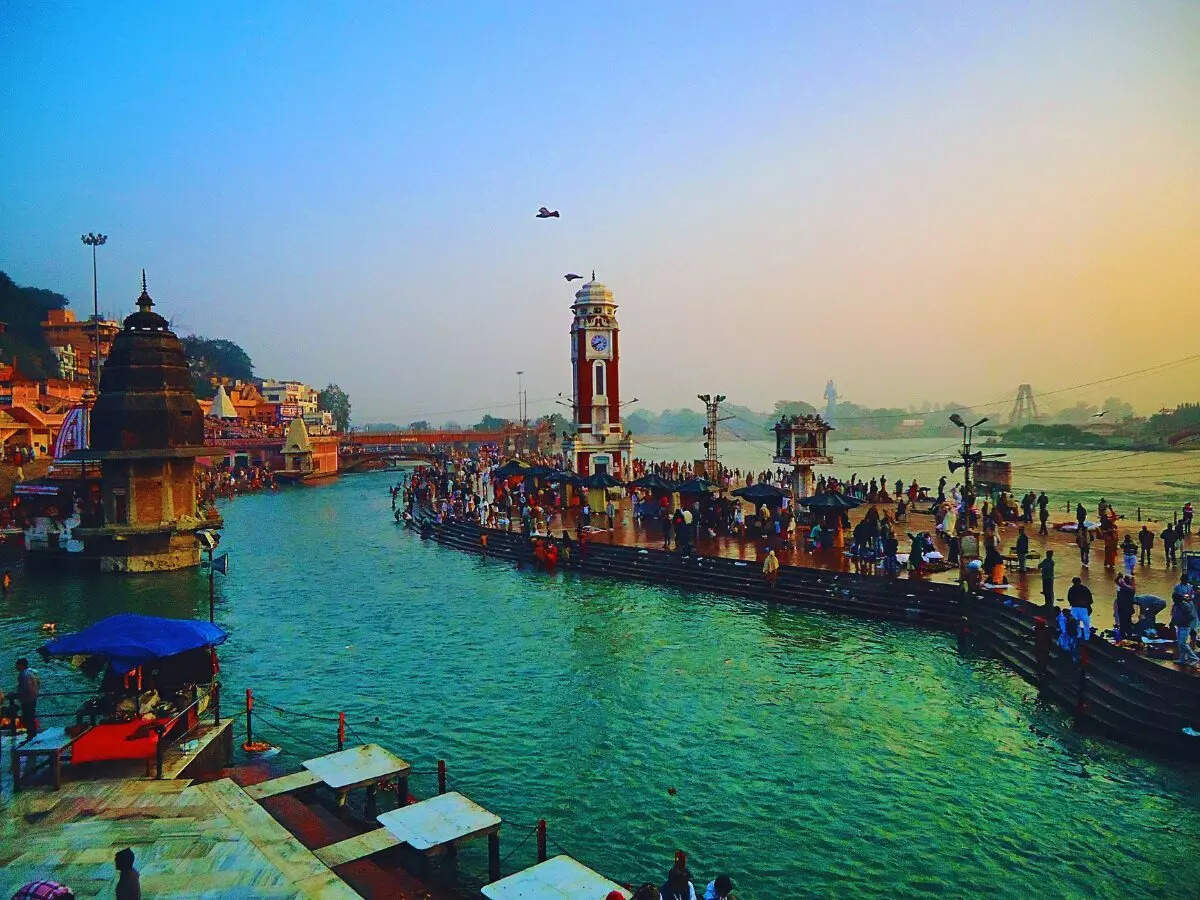
The Ganga needs no introduction. It is an inseparable part of Shiva, also known as Gangadhara, or the one who bears the Ganga. It is mythologically believed that when Ganga descended, its force threatened to shatter the earth. It is then Shiva captured her in his hair (jata). releasing her gently in streams.Where it flows:Ganga’s journey begins high in the Himalayas. The Gaumukh Glacier is from where Ganga emerges and flows through Gangotri, Rishikesh, Haridwar, and Varanasi. The Ganga flows east across northern India. The river then meets into the Bay of Bengal.Godavari River – Shiva’s Dakshin Ganga
Canva
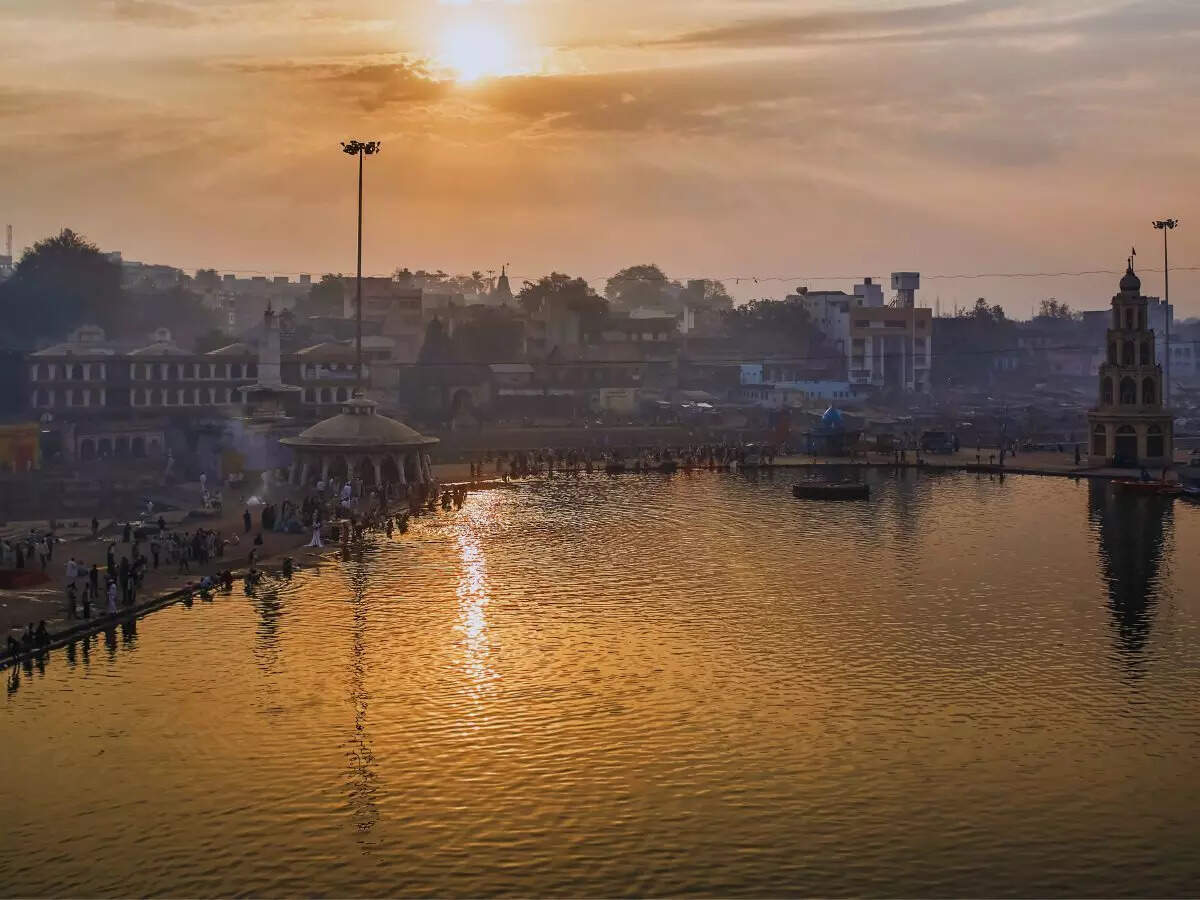
The Godavari is also known as the Dakshin Ganga. The river carries Shiva’s presence deep into the heart of India. As per legend, Lord Shiva himself brought the Ganga south at the request of Sage Gautama. He wanted to cleanse the sins here. The river originates at Trimbakeshwar near Nashi. The town is home to one the most unique Jyotirlingas, where Shiva is worshipped in a three-faced form, depicting Brahma, Vishnu and Mahesh. The river passes through towns and ghats and attracts millions for ritual baths every year.Where it flows:The Godavari flows east across Maharashtra, Telangana, and Andhra Pradesh before ending up in the Bay of Bengal.Mandakini River – Flowing Past Kedarnath
CANVA
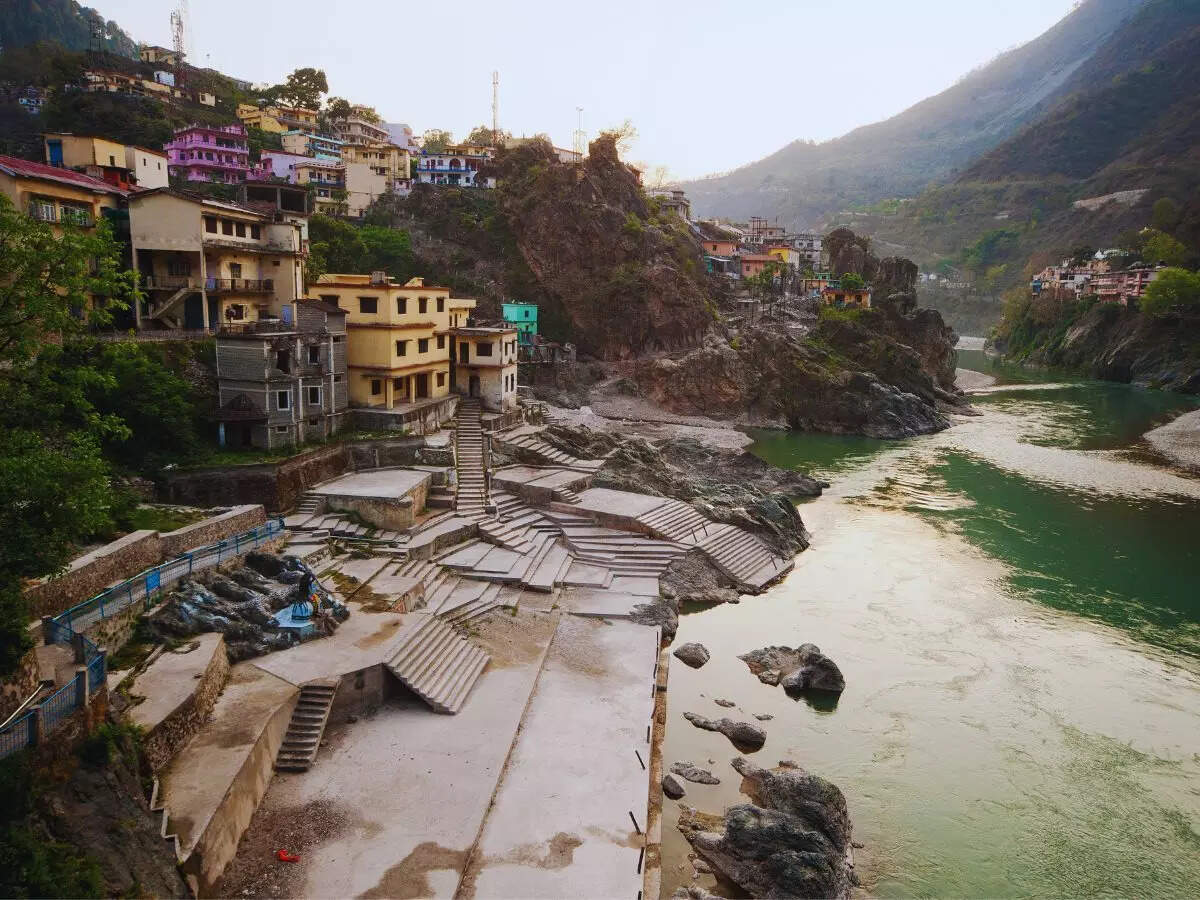
The Mandakini River flows through the Garhwal Himalayas and is closely associated with Kedarnath, one of the holiest shrines dedicated to Lord Shiva. The river originates near Chorabari Glacier and flows alongside the trekking route to Kedarnath. Its cold waters, roaring through steep valleys, showing Shiva’s silence and his destructive power. Where it flows:The Mandakini merges with the Alaknanda River at Rudraprayag.Alaknanda River – The Carrier of Shiva’s Energy
canva
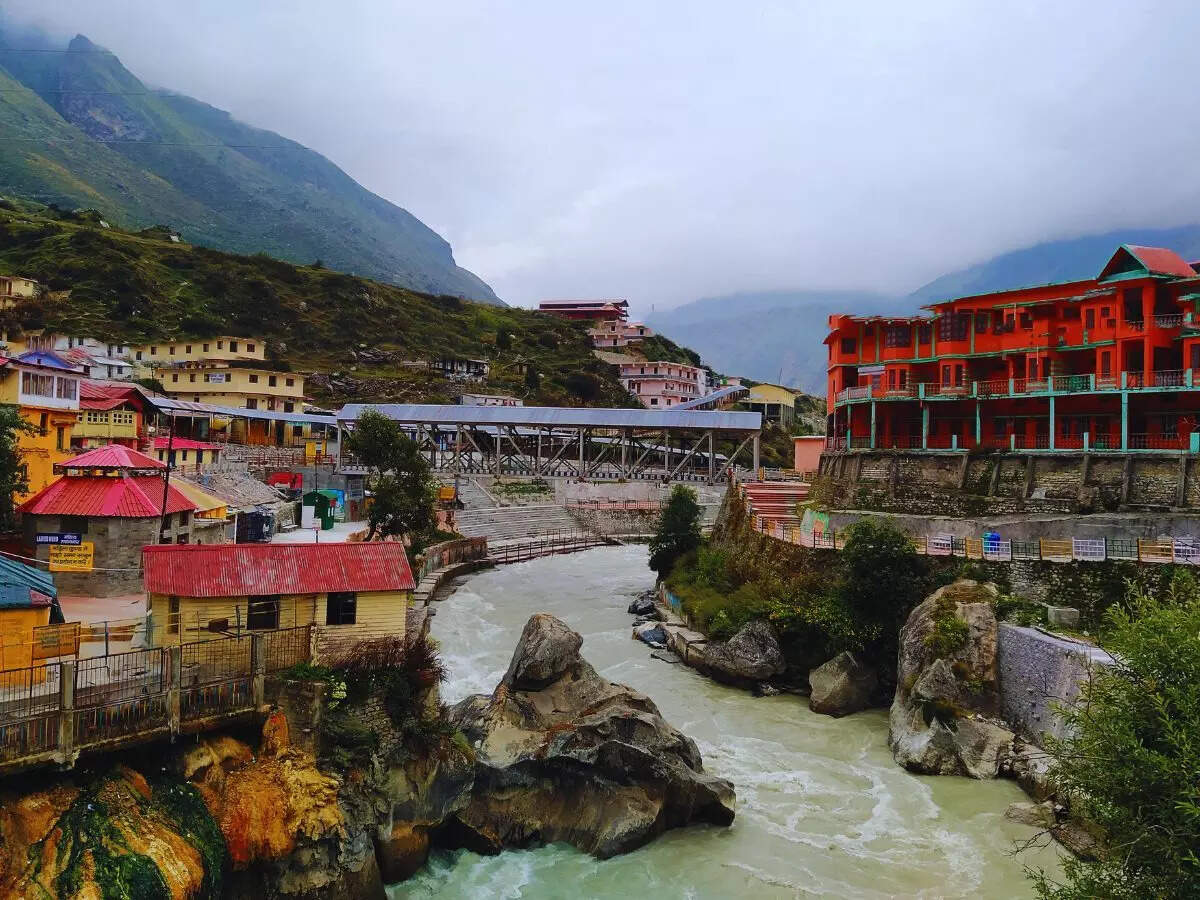
The Alaknanda is one of the main streams of the Ganga. It holds immense Shaivite importance and flows past ancient pilgrimage towns. The river goes through Badrinath, Joshimath, and Rudraprayag and meets the Mandakini. It’s a sacred confluence. Where it flows:The Alaknanda meets the Bhagirathi at Devprayag to form the Ganga.These rivers are a traveller’s spiritual map and travelling along these rivers is experiencing a life-changing transformation. These five rivers flow through extremes: silence and chaos, creation and destruction.